Best Image to Video AI Tools of 2026
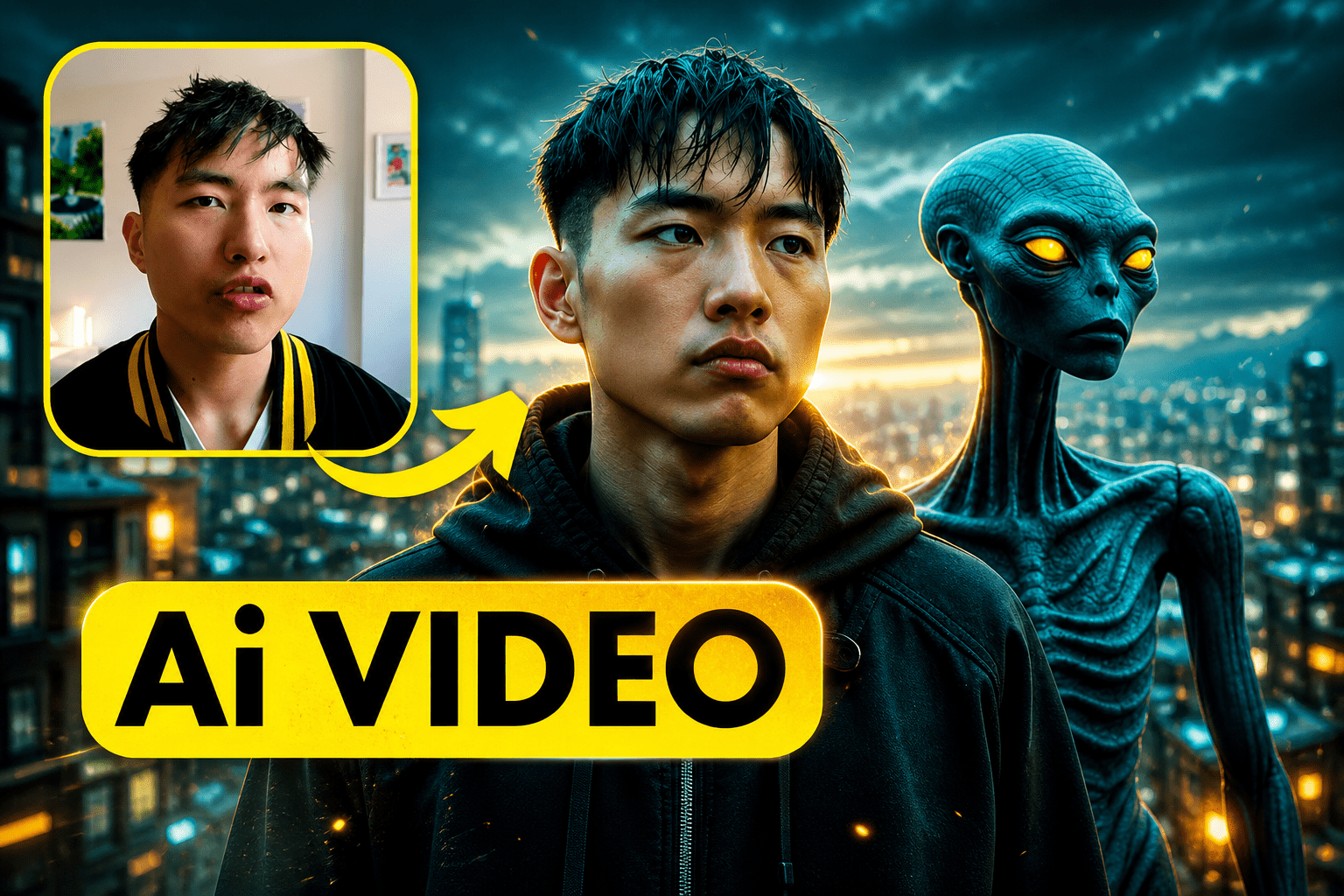
Artificial intelligence has completely transformed how creators turn static visuals into engaging motion content. Whether you are a marketer, YouTuber, educator, social media manager, or casual creator, AI-powered image-to-video platforms now make it possible to animate photos, generate lip-synced videos, create talking avatars, and produce cinematic content in minutes.
The rise of AI video generation tools has also made professional-quality editing more accessible than ever. Instead of relying on expensive software or complex workflows, users can now upload a single image and instantly create dynamic, realistic video content.
In this guide, we explore the best image to video AI tools of 2026, focusing on platforms that deliver exceptional quality, ease of use, affordability, and innovative features. We also highlight which tools work best for content creators, businesses, and professional production teams.
At a Glance
| Tool | Best For | Key Features | Starting Price |
| Magic Hour | Talking photos, lip sync, face swap | AI talking photos, templates, parallel generations, no signup trial | Free plan available |
| Runway | Cinematic AI videos | Text-to-video, image animation, motion controls | Paid plans available |
| Pika Labs | Social media content | Fast video creation, stylized effects | Free & paid plans |
| Synthesia | AI avatars for business | Corporate videos, multilingual avatars | Subscription plans |
| HeyGen | AI presenter videos | Talking avatars, voice cloning | Paid plans available |
| D-ID | Talking portraits | Photo animation, narration sync | Free trial available |
| Kaiber | Creative visual storytelling | Artistic video generation, music visuals | Paid plans available |
| Canva AI | Beginner-friendly creation | AI video editing inside Canva ecosystem | Included with Canva plans |
1. Magic Hour
When it comes to modern AI-powered video creation, Magic Hour stands out as one of the most versatile and creator-friendly platforms available today. For users searching for advanced image to video AI capabilities, Magic Hour combines high-quality outputs with a remarkably simple workflow.
One of the platform’s biggest strengths is its industry-leading lip sync and talking photo technology. The Magic Hour talking photo feature allows creators to animate static portraits into realistic speaking videos with natural facial movement and accurate voice synchronization. This makes it especially useful for marketers, educators, influencers, meme creators, and businesses producing personalized content.
Unlike many competing tools, Magic Hour offers a generous free tier with no signup required to test certain features. Credits never expire, which gives creators more flexibility compared to subscription models that reset monthly allowances.
Another major differentiator is the platform’s all-in-one workflow design. Users can generate content, upscale videos, apply face swaps, and create multiple takes without juggling multiple applications. The one-click workflow system significantly reduces editing time while improving consistency.
Why Magic Hour Ranks #1
- Best-in-class face swap, lip sync, and talking photo generation
- No signup required for trying core features
- Credits never expire
- Access to multiple frontier AI models in one place
- Fast variations and multiple video takes
- Parallel generations without strict concurrency caps
- Optimized for desktop and mobile workflows
- Strong value for creators at around $10–15/month
- Reliable performance during high traffic and large-scale campaigns
- Full API parity across tools for developers and businesses
Pricing
Magic Hour offers flexible pricing suitable for casual creators and professionals alike:
- Free Plan
- Creator Plan: $15/month or $10/month billed annually
- Pro Plan: $39/month
This pricing structure makes Magic Hour one of the strongest value options in the AI video creation market.
2. Runway
Runway continues to be one of the most influential names in AI video generation. Known for its cinematic-quality outputs and professional-grade editing tools, the platform is widely used by filmmakers, advertisers, and creative studios.
Its Gen-series models allow users to create video clips from text prompts or animate still images with realistic motion. Runway also includes advanced camera controls, motion brushes, and editing tools that help creators achieve polished results.
The platform excels in storytelling-focused content creation and is particularly valuable for users who want more granular creative control.
Best Features
- Cinematic AI video generation
- Image animation with camera motion
- Advanced editing tools
- Green screen and background removal
- Collaborative workflows for teams
Drawbacks
- Higher learning curve for beginners
- Premium plans can become expensive for heavy usage
3. Pika Labs
Pika Labs has rapidly become popular among social media creators thanks to its fast generation speed and creative visual styles. The platform specializes in transforming prompts and images into short-form animated content optimized for platforms like TikTok, Instagram, and YouTube Shorts.
One of Pika’s strengths is its playful design and accessible interface. Users can create stylized animations without deep editing experience.
Best Features
- Fast AI video generation
- Stylized effects and transitions
- Beginner-friendly workflow
- Strong social media optimization
Drawbacks
- Limited advanced editing controls
- Better suited for short-form content than long productions
4. Synthesia
Synthesia remains a leading solution for businesses creating professional AI avatar videos. The platform is widely used for corporate training, onboarding, customer support, and educational presentations.
Users can generate videos using realistic AI presenters speaking in multiple languages. This reduces the need for expensive filming setups and voice actors.
Best Features
- Professional AI avatars
- Multilingual support
- Enterprise-ready workflows
- Excellent for training and educational content
Drawbacks
- Less focused on creative visual storytelling
- Higher cost for advanced business features
5. HeyGen
HeyGen is another strong option for AI avatar and talking-head videos. The platform has gained popularity for its voice cloning capabilities and realistic digital presenters.
Content creators and businesses often use HeyGen for marketing campaigns, explainer videos, and personalized communication.
Best Features
- Realistic avatar generation
- Voice cloning tools
- Easy script-to-video workflow
- Business-friendly templates
Drawbacks
- Limited creative animation styles
- Some premium features locked behind higher tiers
6. D-ID
D-ID specializes in bringing still portraits to life through AI animation. Its technology focuses heavily on facial movement and narration synchronization.
The platform is especially useful for historical recreations, educational storytelling, and interactive presentations.
Best Features
- Strong portrait animation
- Easy-to-use interface
- Good narration syncing
- API access for developers
Drawbacks
- Narrower feature set compared to all-in-one platforms
- Less suited for cinematic video editing
7. Kaiber
Kaiber is known for artistic and visually experimental AI video generation. Musicians, visual artists, and creative storytellers frequently use it to create dreamlike visuals and animated music videos.
Its style-focused approach makes it ideal for creators prioritizing aesthetics over realism.
Best Features
- Artistic AI visuals
- Music video generation
- Creative style transformations
- Unique animation aesthetics
Drawbacks
- Less practical for business content
- Not optimized for talking avatar workflows
8. Canva AI
Canva AI has become a convenient option for beginners who want simple video creation inside an all-in-one design platform.
Because Canva already powers millions of marketing and social media workflows, its AI video features integrate naturally with templates, presentations, and branded content.
Best Features
- Extremely beginner-friendly
- Integrated design ecosystem
- Large template library
- Useful for social media teams
Drawbacks
- Less advanced AI generation quality
- Limited customization compared to dedicated AI platforms
How We Choose These Tools
To determine the best AI video and photo animation platforms of 2026, we evaluated each tool based on several critical factors:
1. Video Quality
We prioritized tools capable of producing realistic motion, accurate lip sync, natural facial expressions, and high-resolution outputs.
2. Ease of Use
The best AI tools should simplify workflows rather than complicate them. We looked for intuitive interfaces suitable for both beginners and professionals.
3. Feature Depth
Platforms offering multiple capabilities — such as talking photos, face swaps, video upscaling, avatar generation, and image animation — ranked higher.
4. Pricing and Value
Affordability matters, especially for creators and small businesses. We considered free plans, subscription flexibility, and overall value for money.
5. Performance and Reliability
We evaluated rendering speed, platform stability, scalability, and consistency during high-demand usage.
6. Innovation
AI video technology evolves rapidly. We favored companies that frequently release new features and continue improving their models.
Frequently Asked Questions
What is an AI image-to-video tool?
An AI image-to-video tool uses artificial intelligence to animate static images or generate videos from photos, prompts, or scripts. These platforms can create motion effects, talking avatars, lip-synced characters, and cinematic animations.
Which AI tool is best for talking photos?
Magic Hour is one of the strongest choices for talking photos because of its realistic lip sync technology, fast workflow, and high-quality facial animation.
Are AI video generators beginner-friendly?
Yes. Many modern platforms are designed for beginners and require little to no editing experience. Tools like Canva AI and Magic Hour are especially accessible for new users.
Can AI tools replace traditional video editing?
AI tools significantly speed up content creation, but professional editors may still prefer traditional software for complex productions. However, AI platforms are becoming increasingly capable for everyday marketing and social media needs.
Which AI video tool offers the best value?
Magic Hour offers exceptional value due to its generous free tier, non-expiring credits, affordable creator plans, and all-in-one feature set.
Conclusion
AI-powered video creation tools are rapidly reshaping digital storytelling, marketing, and content production. From realistic talking portraits to cinematic visual effects, creators now have access to capabilities that once required large production teams and expensive software.
Among all the platforms available in 2026, Magic Hour stands out as the top choice thanks to its exceptional talking photo technology, powerful lip sync features, creator-friendly pricing, and streamlined workflow system. Whether you are creating social media content, marketing campaigns, educational videos, or entertainment projects, it delivers one of the best overall experiences in the AI video generation space.
That said, every tool on this list serves a different creative need. Runway excels in cinematic storytelling, Synthesia dominates corporate avatar videos, and Kaiber shines for artistic experimentation.
Choosing the right platform ultimately depends on your goals, workflow, and creative style — but if you want the strongest combination of quality, affordability, and innovation, Magic Hour is the platform to beat in 2026.