
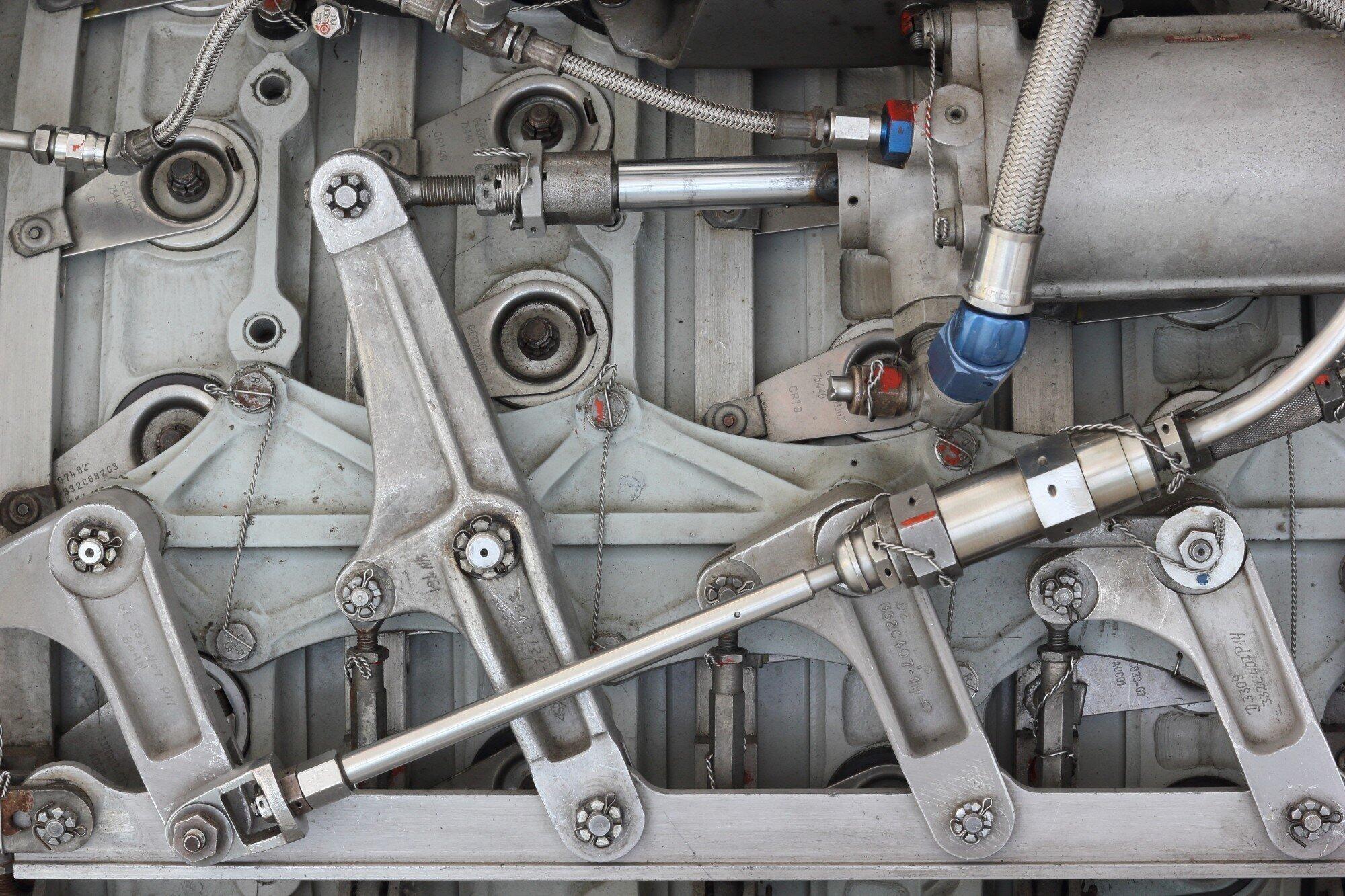
The Essential Guide to Hydraulic System Maintenance
Hydraulic systems are the muscle behind heavy machinery in construction, manufacturing, and agriculture. They use pressurized fluid to create massive force, lifting tons of material or driving heavy parts with precision. These systems operate under extreme pressure and heat, and they require strict maintenance.
Keeping your equipment running demands a focus on cleanliness, temperature control, and regular inspections. Once you understand the common causes of failure, you can extend the life of your machinery and avoid unexpected repairs.
Knowing When to Call in Professionals
While routine checks and fluid changes can be done by an operator, major repairs require a specialist. Internal leaks, complex valve adjustments, and pump rebuilds demand specific tools and expertise. Attempting to fix these intricate components without the proper training makes the problem worse.
If you are dealing with a persistent issue that keeps shutting down your operation, seek help. For businesses in the Mid-South, finding reliable onsite hydraulic repair services in Memphis that can come to your location, diagnose the issue, and fix it on the spot is essential, eliminating the need to transport heavy equipment. This is useful for large machinery that is difficult to move or for facilities that cannot afford to be without their equipment for long.
The Role of Hydraulic Fluid
The most important component of any hydraulic system is the fluid itself. Hydraulic fluid lubricates internal parts, seals gaps, and transfers heat away from critical components.
Contaminated fluid is the leading cause of system failures. When dirt, water, or metal shavings enter the fluid, they act like sandpaper on the inside of the pump and valves. Wear creates even more particles and leads to a destructive cycle that seizes the system.
Check fluid levels regularly and look at the color. Milky fluid usually means water contamination, and dark fluid indicates overheating or oxidation. Changing filters and fluid at manufacturer-recommended intervals is the cheapest insurance you can buy for your equipment.
Preventing System Failures Through Inspection
Most catastrophic breakdowns give warning signs before they happen. Routine visual inspections are your best defense against unexpected downtime. You are looking for leaks, cracks, and signs of stress on hoses and fittings.
Listen to your machinery. A banging or knocking sound indicates aeration, which reduces efficiency and damages the pump. High-pitched whining can suggest pump wear or restrictions in the lines.
Monitor the operating temperature. If a system runs too hot, the fluid thins out, losing its ability to lubricate and seal. This leads to internal leakage and a loss of power. Catch these symptoms early, and you can schedule maintenance before a complete failure occurs.
Handling Heavy Parts Safely
Hydraulic maintenance involves moving large components. Safety must be the top priority when disassembling a system to replace seals or hoses. Before you remove any line or component, here are some do’s and don’ts:
- Relieve the pressure in the system
- Use proper lifting equipment
- Never try to catch a falling component
- Do not put your hands in a pinch point
The machine should be locked out and tagged out so it cannot be started accidentally while you are working. A clean floor prevents slips so that dirt does not enter the system when you open it up.
Keeping Your System Running Strong
When you monitor your hydraulic fluid, listen to your equipment, and address small leaks immediately, you can prevent most major failures. Don’t hesitate to bring in experts to handle the complex repairs.
A well-maintained hydraulic system is reliable, efficient, and safe. Your business will keep moving forward without unnecessary interruptions.
Are you interested in more articles? Check out our website.